

Chapter 1
Sustaining Long-Term Progress
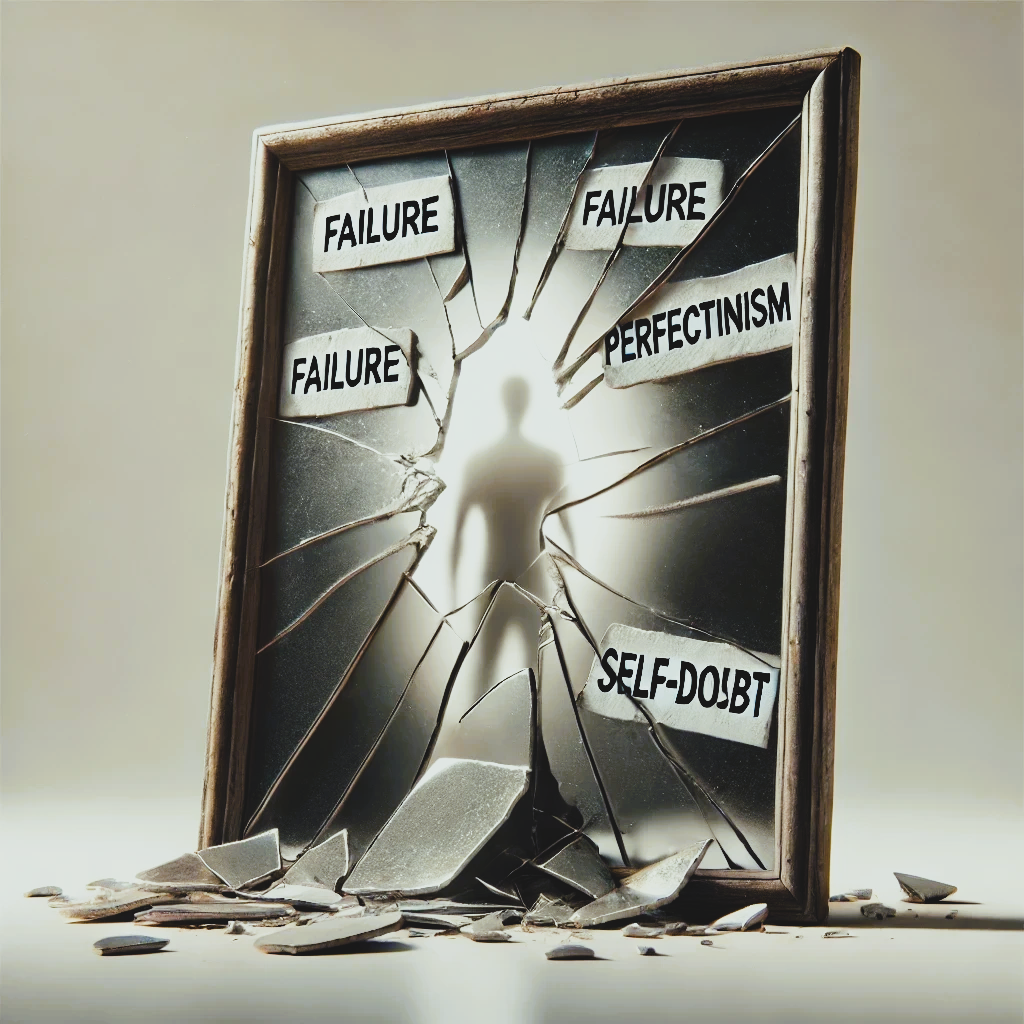
Lesson Overview: Lesson 4, equips you with strategies to sustain productivity and overcome setbacks over the long term. You’ll learn to design adaptable systems that handle life’s unpredictability, automate routine tasks, and implement self-reflection practices to track progress. Resilience techniques and mindset shifts will empower you to recover quickly from challenges, ensuring consistent growth and long-term success.
Life is unpredictable, and that’s not changing anytime soon. The key to staying productive isn’t about being rigid—it’s about building systems that can adapt when things don’t go as planned. At the same time, shifting your mindset from procrastination to progress and treating yourself with compassion when setbacks happen are essential for long-term success. In this lesson, we’ll explore how to create resilient systems, adopt advanced mindset techniques, and stay motivated through visualization and affirmations.
Creating Resilient Systems
When life throws you curveballs, having systems in place helps you stay grounded and productive. Resilient systems are flexible, automated where possible, and built to handle those inevitable "off" days without everything falling apart.
1. Automating Repetitive Tasks:
Automation saves you time and energy by taking care of tasks you’d otherwise do manually. This frees you up to focus on more meaningful work.
Examples of Automation:
Set up automatic bill payments to avoid late fees.
Use scheduling tools like Google Calendar or Calendly to manage appointments.
Use apps like Zapier or IFTTT to connect your tools and streamline workflows.
2. Developing Contingency Plans for Off Days:
Life happens. Whether you’re tired, sick, or just having a rough day, a contingency plan helps you stay on track without burning out.
Steps to Create a Contingency Plan:
Identify Key Priorities: What absolutely needs to get done, even on a bad day?
Simplify Your Tasks: Break them into smaller, manageable steps.
Use Time Limits: Commit to working in short bursts (e.g., 15 minutes) to avoid overwhelm.
Have Backup Routines: Create a "light" version of your schedule for low-energy days.
Example: Instead of a full workout, do a 10-minute stretch. Instead of deep work, tackle easy admin tasks.
3. Using Productivity Software to Streamline Work:
Productivity tools help you organize your tasks and track progress efficiently.
Examples of Software:
Trello or Asana for task management.
Notion for combining notes, calendars, and projects.
Todoist or Habitica for tracking habits and to-dos.
Activity
Design a sustainable productivity system that includes:
One repetitive task you can automate.
A contingency plan for low-energy days.
A tool or software to help you streamline your workflow.
Advanced Mindset Shifts
Procrastination often comes from fear, self-doubt, or frustration. Shifting your mindset from procrastination to progress helps you focus on growth and forward movement, even when things feel hard.
1. Moving from a Procrastination Mindset to a Progress Mindset:
Procrastination Mindset: Focuses on avoiding discomfort or failure.
Thought: “If I start and fail, it’ll prove I’m not good enough.”
Progress Mindset: Focuses on taking small steps forward, even if they’re imperfect.
Thought: “Every step I take, no matter how small, moves me closer to my goal.”
How to Shift Your Mindset
Break big tasks into smaller steps so they feel less overwhelming.
Celebrate progress, not perfection.
Remind yourself that growth happens through action, not avoidance.
2. Practicing Advanced Self-Compassion Techniques:
Self-compassion isn’t about letting yourself off the hook—it’s about treating yourself with kindness when things don’t go as planned.
Techniques:
Acknowledge Your Efforts: Say, “I’m doing my best with what I have right now.”
Reframe Setbacks: Instead of, “I failed,” try, “This didn’t work, but I learned something valuable.”
Soothing Rituals: When you feel stressed or stuck, take a few deep breaths, journal your feelings, or do something that brings you comfort.
3. Using Visualization and Affirmations for Motivation:
Visualization helps you picture your success and builds confidence in your ability to achieve it. Affirmations reinforce positive beliefs about yourself and your goals.
How to Visualize:
Close your eyes and imagine yourself achieving your goal in vivid detail.
Focus on how it feels—pride, relief, or joy.
Picture the steps you took to get there.
Using Affirmations:
Choose affirmations that resonate with you, like:
“I am capable of achieving my goals.”
“Every small step I take brings me closer to success.”
“I am resilient and can handle challenges.”
Activity
Choose a major goal you’re working toward. Create a visualization exercise for it:
Write down what success looks and feels like.
Include 2-3 affirmations you’ll repeat daily.
Commit to practicing this exercise every day for one week and note how it impacts your motivation.
Putting It All Together
When you combine resilient systems with a progress mindset, you create a foundation that can weather challenges and keep you moving forward. Resilient systems ensure that life’s unpredictability doesn’t derail you, while a progress mindset helps you approach every situation with confidence and self-compassion.
Steps to Stay Consistent
Automate repetitive tasks and use tools to streamline your work.
Create contingency plans to handle off days without guilt.
Shift your focus from avoiding failure to celebrating progress.
Use visualization and affirmations to keep your goals front and center.
Conclusion
Resilience and progress don’t happen overnight—they’re built through small, intentional actions. By designing systems that adapt to life’s unpredictability and adopting a mindset that values growth over perfection, you’ll create the space to thrive, no matter what comes your way.
Final Activity
Reflect on a current challenge or goal.
Write down one way you’ll make your productivity system more resilient this week.
Practice a visualization exercise for your goal and commit to repeating it daily.
Remember: progress is progress, no matter how small. You have the tools, the mindset, and the resilience to succeed. Keep moving forward—you’re unstoppable!
IN THIS LESSON
Build adaptable and sustainable productivity systems.
Automate repetitive tasks to save time.
Develop resilience and self-compassion for setbacks.
Reflect on progress and refine goals consistently.